
Counselling and therapy in a safe, comfortable and private setting in Guildford & Online
A safe and confidential space to explore life's challenges
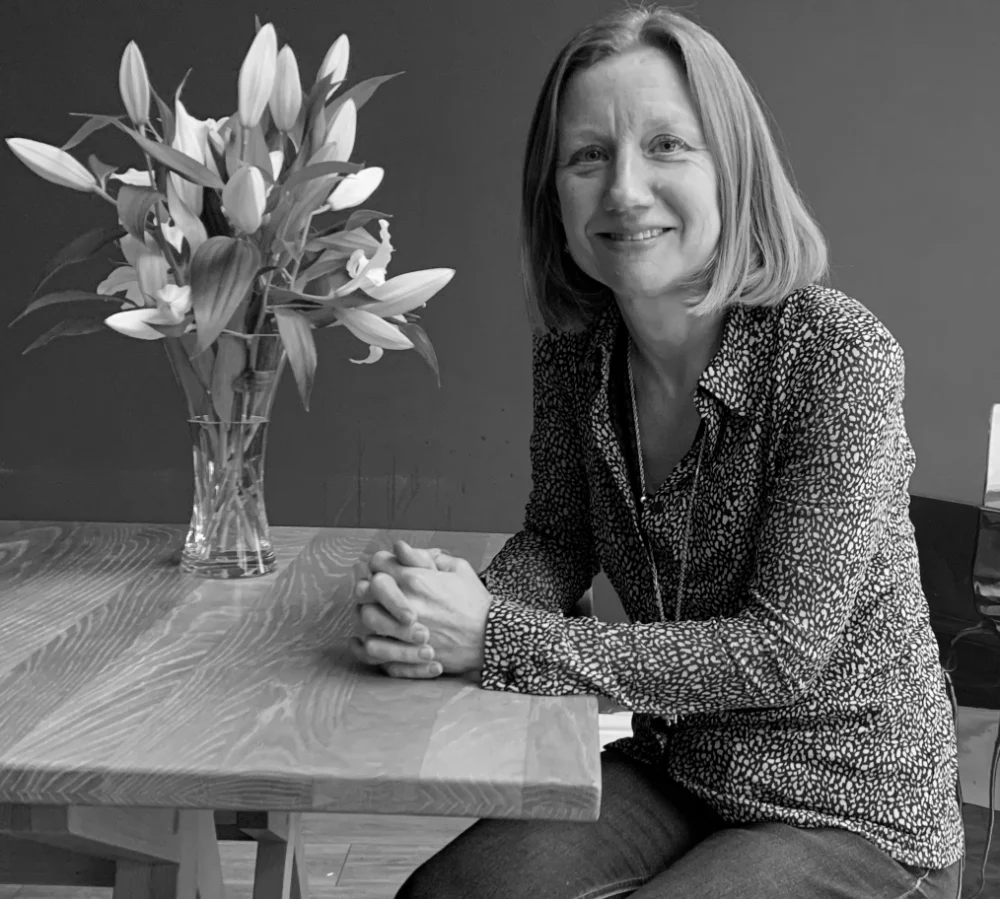
Welcome and thank you for visiting my website. My name is Charlie and I am a therapist providing both short and long-term therapy to adults and young people (over the age of 12) in Guildford and online.
Safe and Confidential Counselling in Guildford & online.
I understand through my own personal experiences that life is not always easy. It's ok to not be ok. I believe that however difficult things may feel, with a regular non-judgemental, empathic safe space to explore difficult feelings, things can feel better again. I am here to listen and help you make sense of why you might be feeling the way you are.
Together we can work it through in a way that enables fresh perspectives and perhaps a new understanding of you. Counselling is not about giving you solutions or advice but empowering you to make your own changes that are right for you.

My Location
Counselling in Guildford
I work from private offices located in a quiet part of Guildford with easy parking available.
In addition to providing face-to-face therapy, I also offer telephone counselling and online sessions via Zoom. Contact me to find out more about how online therapy works.
Fees & availability
Counselling sessions for individuals last 50 minutes, usually taking place on a weekly basis, and cost £85 per session depending on circumstances. Please enquire about reduced rates for concessions.
Please note that if you want to cancel an appointment I require 24 hours’ notice, otherwise you will still need to pay for the session. I accept payment in cash or by bank transfer.
I am a recognised provider for AXA Health, WPA, Aviva and Healix






Get in touch
Please feel free to contact me for an initial conversation to discuss the reasons you are thinking of coming to therapy, whether it could be helpful for you and whether I am the right therapist to help.
All enquires are usually answered within 24 hours, and all contact is strictly confidential.
If you would rather call me, please feel free to do so on 07447 677169. If I don't answer it may be because I am with a client but I will always get back to you as soon as I can.

FAQs
Deciding you’d like to start therapy is one thing, choosing the right therapist is another. It can feel like a minefield. The following might be helpful to you.
What is the difference between counselling and psychotherapy?
It’s completely understandable to feel unsure about the difference between counselling and psychotherapy. Counselling is often more short-term and supportive, helping with specific challenges, while psychotherapy usually explores deeper patterns and emotions over a longer period of time.
Lots of therapists’ websites talk about different types of therapy – what do they all mean?
There are many different approaches to therapy, and the language can be complicated. These websites describe some of the different types of therapy that you could try.
- www.bacp.co.uk/about-therapy/types-of-therapy
- www.psychologytoday.com/gb/types-of-therapy
- www.mentalhealth.org.uk/explore-mental-health/a-z-topics/talking-therapies
I am an Integrative psychotherapist which means that I draw on lots of different theories and schools of thought, to inform me. This mean that when I work with you, I can tailor my approach so that it is individualised to you.
How do I choose which therapist is right for me?
The most important thing about choosing a therapist is that you feel comfortable with them. There is much research which suggests that the most important factor influencing success in therapy is a good relationship. I would suggest talking to several therapists that you are drawn to from their websites and profiles and then having a brief chat with them prior to booking an appointment. Go with what then feels right for you.
It’s important to choose a therapist who is registered with a recognised professional body. This helps ensure they are appropriately qualified and work within clear ethical standards.
How many sessions will I need?
This is different for everyone – and not something we can predict in advance. It will depend on what you’re bringing to therapy what you’re hoping for, and how we work together. For some people a few sessions are enough. For others longer-term therapy can be helpful.
As a guide, if you’re looking for a set number of sessions, I usually suggest beginning with 6-8. We can then review how things feel and decide together whether you’d like to continue. My aim is that we can talk openly about how the process is going, so we can shape the work in a way that feels right for you.
Do I have to have my session at the same time each week?
Many therapists work in a way where sessions take place at the same time each week, and I generally follow this approach too, as it helps create a sense of consistency and space for the work.
That said, I understand that life isn’t always straightforward, and some people have working patterns that just don’t allow that. Having been a shift worker in the past I understand this. Where I can, I do offer flexibility for session timings so please do ask me about this.
We can talk about what might work best for you when we first speak and find an arrangement that feels manageable.
How will I know if therapy is working?
This can be a difficult question to answer. Some people feel a sense of relief after the first session—simply having the space to share your story and be truly listened to can feel helpful in itself.
Lasting change, however, often takes a little more time. It involves developing self-awareness, building self-acceptance, and gaining a clearer understanding of who you are and what you want from your life.
Often, it’s in between sessions that you may begin to notice subtle shifts—thinking about things differently, or becoming aware of patterns or feelings you hadn’t recognised before. These can be early signs that the therapy is beginning to work.
When should therapy end?
This is another question without a fixed answer. Often, I say to clients that you will have a sense of when the time feels right.
We would always talk this through together and think about the best way to bring the work to a close. Sometimes this involves gradually reducing the frequency of sessions before ending.
You are always welcome to return to therapy at any point in the future if you feel the need.



©Charlie Fancy | powered by WebHealer